As US claims victory, Iran emerges bruised but with leverage over Hormuz
Published: 2026-04-12
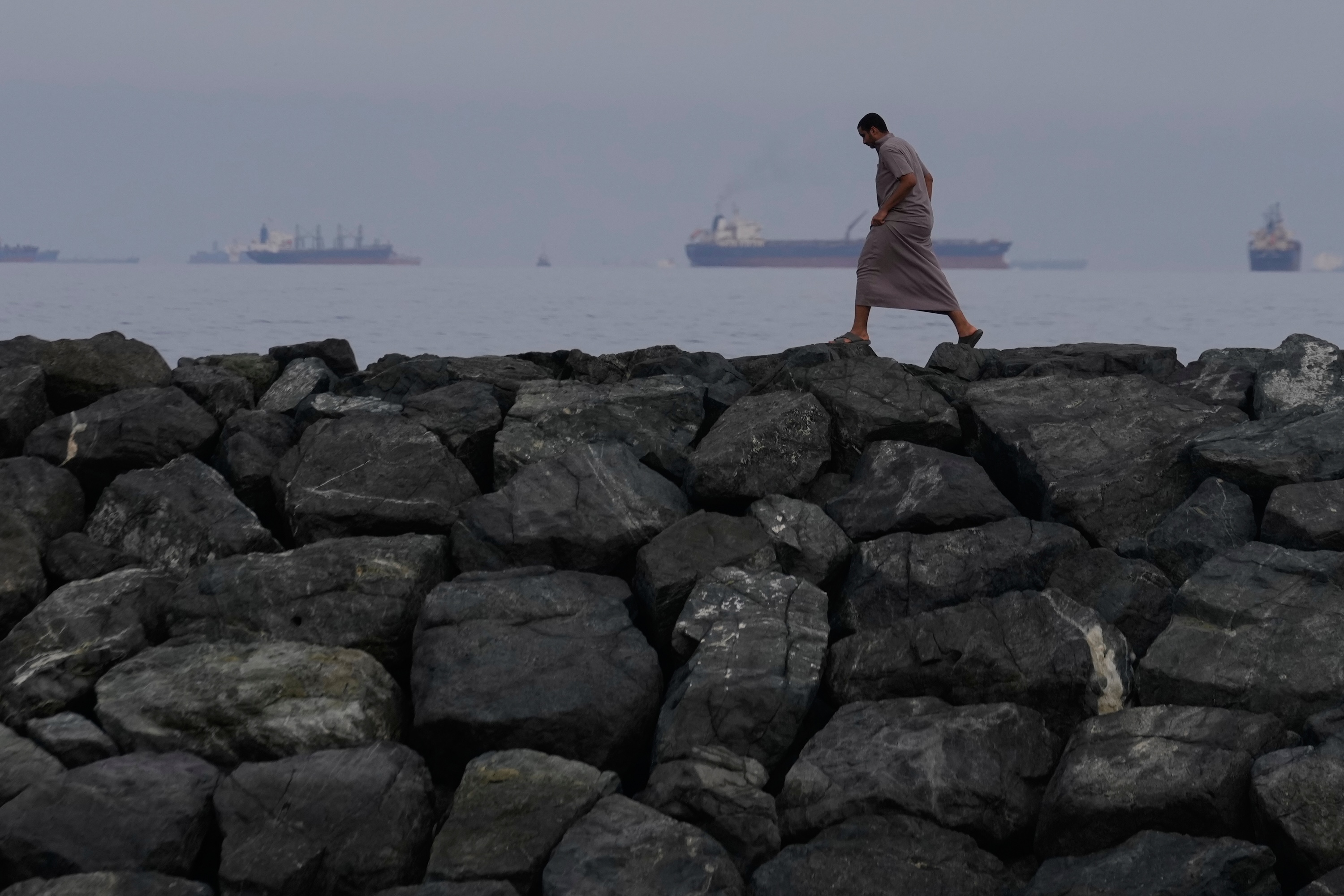
Nearly six weeks of war in Iran have ended, for now, with President Donald Trump claiming victory, but the U.S.-Iran ceasefire locks in a harsh reality: an entrenched, radical government with control over the Strait of Hormuz and a powerful lever over global energy markets and Gulf rivals, analysts say. The shockwaves have rippled outward, contributing to global economic strains and bringing conflict to Gulf neighbors whose economies depend on stability. “This war will be remembered as Trump’s grave strategic miscalculation. One whose consequences reshaped the region in unintended ways,” Middle East scholar Fawaz Gerges told Reuters. Before the war, the Strait, a narrow passage carrying around a fifth of the world’s oil and gas, was formally treated as an international waterway. Iran monitored it, harassed shipping and intermittently intercepted vessels, but it stopped short of asserting outright control. In the new reality, Tehran has moved from shadowing tankers to effectively dictating terms. It currently functions as the de facto gatekeeper of the shipping route, selectively deciding on passage and on what terms. Iran wants to charge ships for safe passage. Additionally, Iran has demonstrated resilience under sustained attack and retained the capacity to escalate further, projecting influence across multiple fronts and strategic choke points. Its reach extends through Lebanon and Iraq via Hezbollah and Shi’ite militias, and into the Bab el-Mandeb in the Red Sea, leveragin…
Originally sourced from Defense News