Babies born under sugar rationing grew into adults with lower cancer risk
Published: 2026-08-18
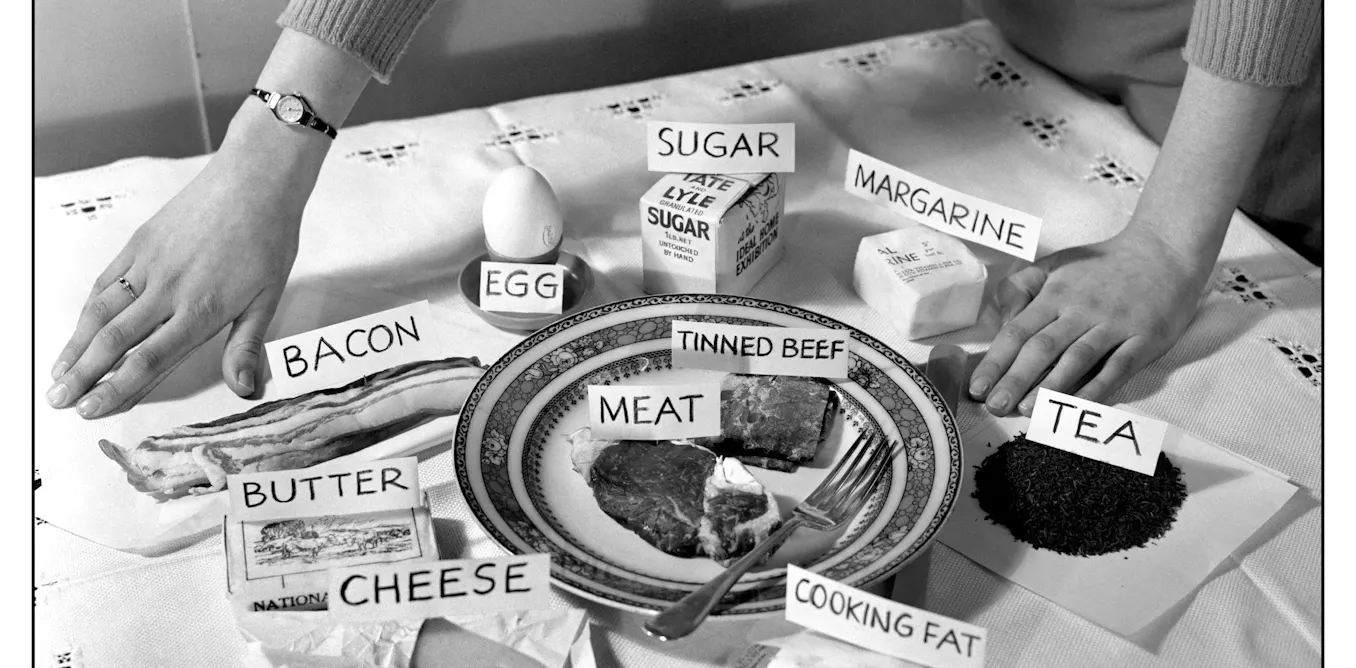
Could how much sugar you consumed before your second birthday shape your health decades later – even into your 70s? A new study that my colleagues and I conducted suggests the answer could be yes. People who had less sugar exposure during the first few years of life were much less likely to develop several different cancers later in life, and they also showed signs of slower biological ageing. We also found that even in adulthood, they continued to consume less sugar and had healthier diets overall. This is not an easy question to study in real life. Researchers obviously can’t run that experiment on real babies – split them into groups, feed one group sugar, then wait 70 years to see what happens. Britain’s postwar sugar rationing offered a rare alternative. After the second world war, sugar remained rationed in Britain for several years. But in September 1953, rationing ended and people started eating a lot more sugar. Consumption nearly doubled. This meant that children born just a few months apart had very different levels of sugar exposure both in the womb and during early childhood. For our study , we used data from over 64,000 people born in Britain between 1951 and 1956 . Those born earlier spent a larger share of their first 1,000 days under sugar rationing, while those born later experienced progressively less of it. By the first 1,000 days , we mean the period from conception to a child’s second birthday. This is a critical stage because the body is developing very…
Originally sourced from Hacker News