Future cost, use of Marine Corps ACVs scrutinized in congressional report
Published: 2026-10-08
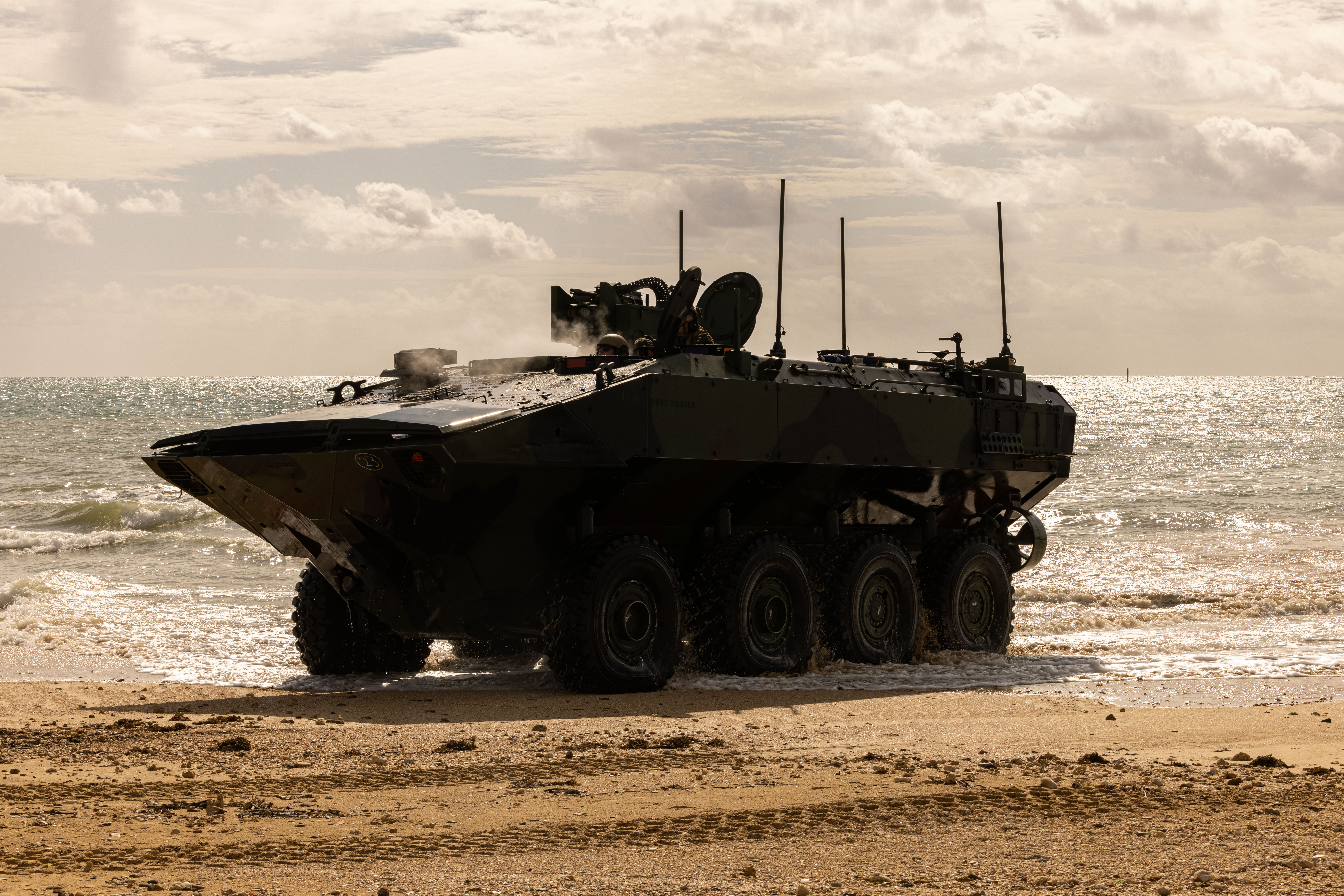
With today’s armored vehicles vulnerable to drones, congressional researchers are raising questions about the U.S. Marine Corps’ new Amphibious Combat Vehicle . In particular, a Congressional Research Service report , released Tuesday, pointed to the war in Ukraine, where armored vehicles have largely been driven from the battlefield by unmanned aerial vehicles and guided munitions. “As ACVs are intended to provide organic, direct fire support to dismounted Marines in the attack, how vulnerable to these threat systems are ACVs during amphibious operations and when operating ashore to support combat operations?” the research service asked in its report. “Are the Marines considering additional ACV survivability modifications based on lessons learned in Ukraine?” In fact, the Marine Corps did award a contract last month to Anduril for a counter-UAS system to protect the ACV from small drones. Anduril’s Pulsar-L is a sensor and jammer package designed to stop small Group 1 and 2 radio-frequency drones. “The system is currently in use by the Special Operations Command due to the system’s low weight, proven performance in engaging multiple UASs, and simultaneous execution of the full kill-chain while static or on the move,” noted the Marine contract award. The Congressional Research Service also questioned whether a possible plan to expand the Marine Corps would, in turn, require more ACVs, which cost about $6 million each, depending on the variant. Last month, a Force Structure Re…
Originally sourced from Defense News