Margaret McFarland and the Science of 'Mister Rogers' Neighborhood'
Published: 2026-04-12
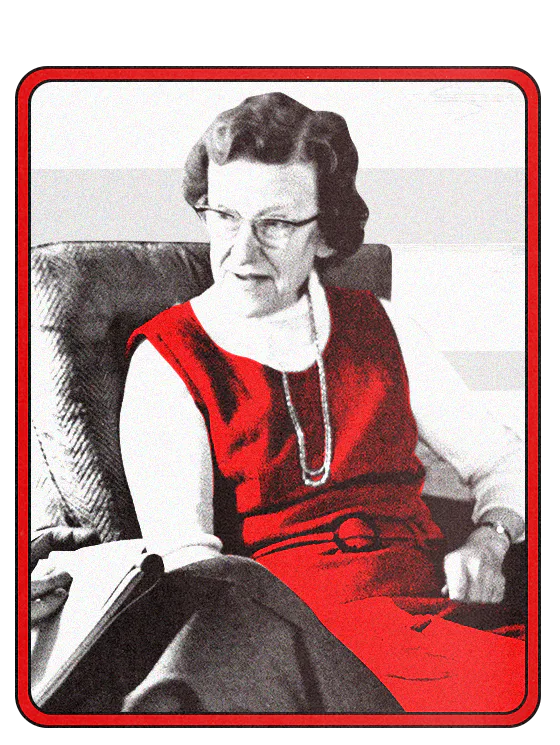
Emma Chao/Courtesy PBS; Fatherly; Getty Images Before Fred Rogers slipped on his shoes and a cardigan, he was a young theology student attending the University of Pittsburgh in the 1950s. There, he studied under developmental psychologist Margaret McFarland, who would end up inspiring, influencing, and actively molding Mister Rogers’ Neighborhood . To say the show would not have been without McFarland is an understatement. Over the course of three decades, Rogers and McFarland met to discuss psychology, upcoming scripts, songs, and of course, children, on a weekly and sometimes daily basis, and her wisdom is imprinted all over the neighborhood. McFarland was already a large figure in child psychology before ever meeting Fred Rogers. After receiving her doctorate from Columbia and teaching in Melbourne, Australia, McFarland returned to Pittsburgh in 1953 and co-founded the Arsenal Family and Children’s Center with Dr. Benjamin Spock, famous for his studies on child development, and renowned psychologist Erik Erikson, known for coining the eight stages of development and the term “identity crisis.” Unlike Spock and Erikson, McFarland kept a very low profile throughout her career and wrote very little about her teaching philosophies outside of her dissertation and a single journal article on “development of motherliness.” But her legacy has lived on through her students, Rogers chief among them, and the core tenet of what she taught should sound familiar, even if their origin is…
Originally sourced from Fatherly