Pentagon needs more resources to meet requirements for assessing blast exposure, GAO finds
Published: 2026-08-26
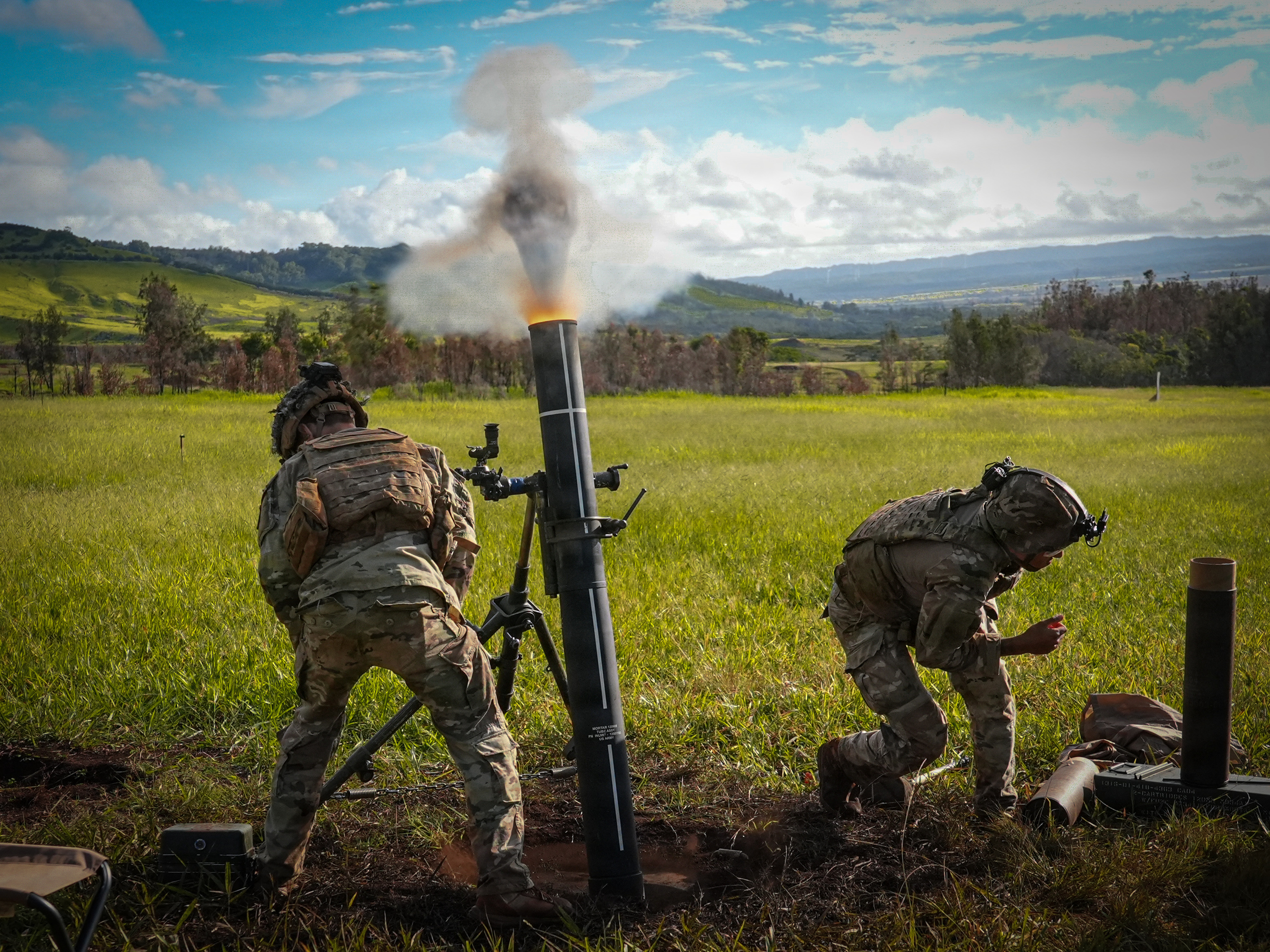
Under Defense Department guidance, the military services are supposed to provide baseline cognitive assessments to all service members who work in jobs that involve blast exposure and track them throughout their careers. But the services have been unable to complete those requirements because they are hampered by a lack of resources, including a shortage of staff and the technology needed to conduct such assessments, according to a new report from the Government Accountability Office. In 2024, after extensive reporting by The New York Times on the impact routine weapons training can have on the brain, including traumatic brain injury, the Pentagon issued several policies to protect troops from blast overpressure . The policies included restrictions on the proximity trainers should have to weapons at firing ranges. They also called for increasing the use of simulators in training, conducting cognitive assessments of all troops and monitoring exposure. The policies also required new recruits to receive cognitive assessments by the end of 2024. Screening for all active-duty personnel in “high-risk” specialties — such as those who handle howitzers, mortars, M 107 and MK 15 sniper rifles, breaching charges and other weapons — was supposed to be completed by the end of fiscal 2025. The GAO found that nearly 200,000 recruits were screened in fiscal 2025 and 86% of personnel in occupations at increased risk received assessments, with 87% of Army personnel, 81% of Air Force members an…
Originally sourced from Military Times