Researchers propose ‘rewilding’ Europe’s borderlands to repel enemies
Published: 2026-04-12
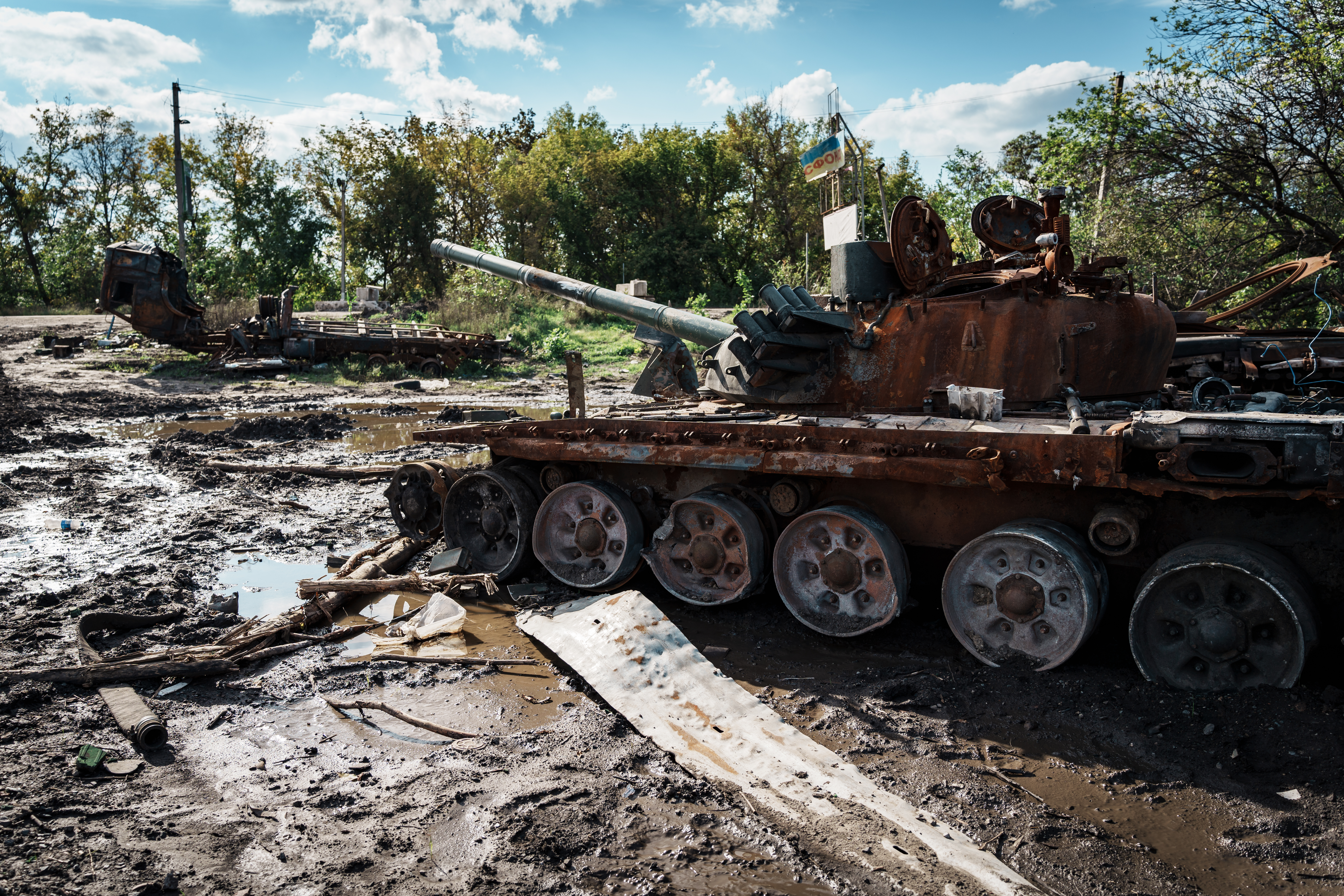
PARIS — Restoring wild forests, peat bogs and wetlands on Europe’s borders would establish defensive barriers that are hard to cross for enemy armored units, at a fraction of the cost of concrete anti-tank ditches while bringing environmental benefits, researchers said. For tropical coasts, re-establishing mangrove forests could play a similar role. “Defensive rewilding” combines national security and climate resilience by strategically locating rewilding projects to create natural barriers that impede, delay or channel invading forces, researchers Sam Jelliman, Brian Schmidt and Alan Chandler wrote in an article for the RUSI Journal published on April 7. At the same time, rewilding allows for carbon storage and more biodiversity, they said. Whereas tactical obstacles such as mine fields or field fortifications are local and temporary, defensive rewilding creates long-lasting “landscape-scale barriers that dictate the geometry of the battlefield before the first shot is fired,” the researchers said. They cited nearly a dozen historical examples of how terrain hinders offense, including during World War II as well as Russia’s invasion of Ukraine. The concept of defensive rewilding is gaining traction among environmentalists but still needs a “military stamp of approval,” Jelliman, a researcher at the Sustainability Research Institute of the University of East London, told Defense News by phone. “The nearer you are to Russia, the more they think it’s a good idea.” The researche…
Originally sourced from Defense News