The Origin of "Dad" And Why Some Men Prefer to Be Called "Father"
Published: 2026-04-12
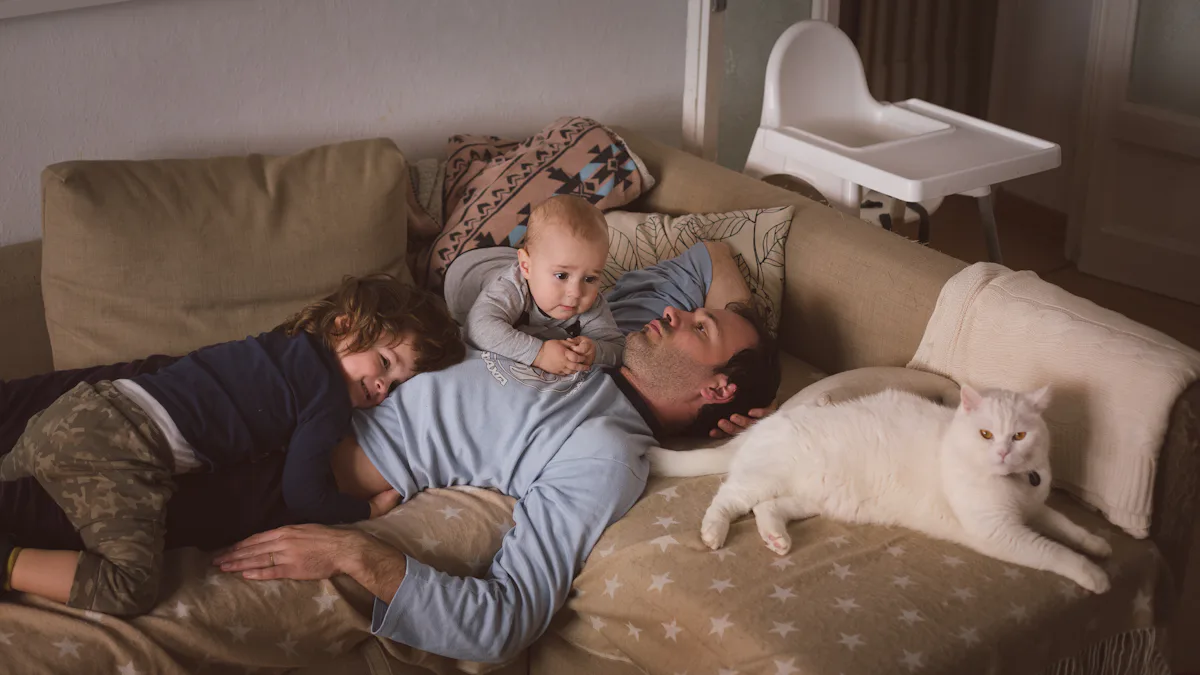
Getty Images The nicknames we use for parents go in and out of fashion, age to age and era to era. At one time, men preferred “Sire.” Other times, “Father” was preferable. What we do know is that the most agreed-upon way to refer to dad these days is by calling him, well, ‘dad.’ But why have we ditched ‘father’ for dad? The short answer is that things have gotten a little less formal. But the reason we’ve moved away from formality is that we’ve embraced what’s more linguistically natural for children and parents. ‘Father’ comes from the Proto-Indo-European “pəter” and Old English ‘fæder,’ meaning “he who begets a child,” reflecting the baby-talk sound “pa” as well as a phonetic shift from ‘p’ to ‘f’ in Middle English. However, ‘dad’ did not evolve from ‘father.’ “It’s from ‘ dada ,’” says Professor John H. McWhorter , a professor at Columbia University, “a natural sound from children’s mouths as a second stab at consonants after they try the most natural ‘mama.’ Next is often either ‘dada, ‘tata,’ ‘baba’ or … ‘papa.’ Upon which, ‘father’ starts in Proto-Indo-European as “puh-TAIR,” and the ‘puh’ part is this same thing: what started as ‘pa’ in ‘papa.’ The words for Mommy and Daddy are the closest thing to linguistic universals because they are about mouth anatomy in infants rather than thought.” There are also another key reason why this is reinforced over time. Emie Tittnich, a specialist at the University of Pittsburgh, speaking to Live Science , noted that parents generall…
Originally sourced from Fatherly