What 28 Years Later Can Tell Us About Men Today
Published: 2026-04-12
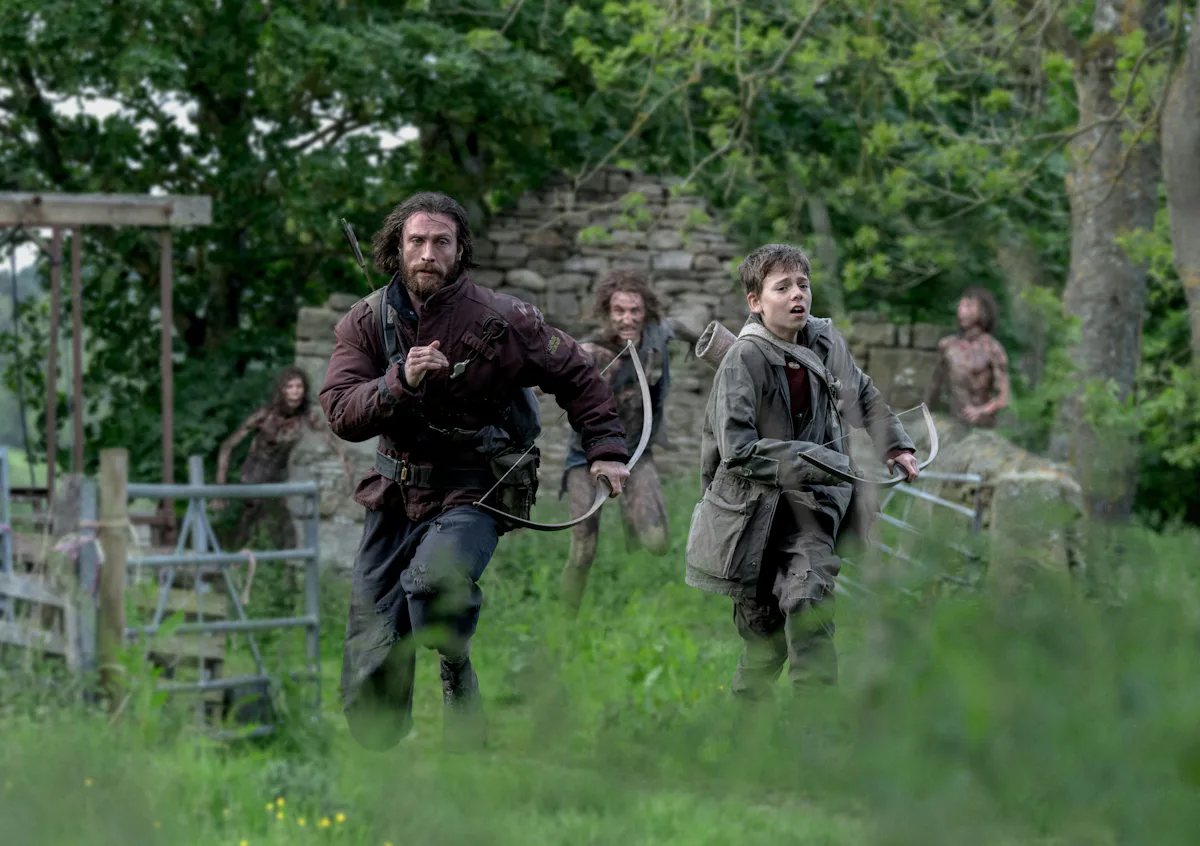
Sony Picture Will it take a zombie apocalypse to fix masculinity? The thought occurred to me as I sat in a theater taking in Danny Boyle’s 28 Years Later the other day . This intense, gory, nudity-laden flick was also one of a surprisingly heartwarming journey for a young boy, Spike, who doesn’t buy into his community’s view of the world. Everyone around him is fearful, incurious, and readily accepts convenient and clear falsehoods about their lives. Spike seeks hope, even if it requires him to face the violent, cruel, and potentially fatal real world off his island. I won’t spoil too much in the way of the plot but I will say that the way the story speaks to masculinity — wading through lost men, toxic lies, and not-so-symbolic alpha males (in the form of one truly terrifying zombie) — is thoughtful and fresh. In context of the cultural landscape for boys and men today, it’s the kind of exploration we could really use. Two months ago, Scott Galloway, a professor of marketing at NYU and media tour de force affectionately known on his podcast as Prof G, took to The View to talk, as he does so often, about masculinity. “I like the idea of restoring an aspirational vision of masculinity,” he said to a room that seemed, a bit surprisingly, in total agreement. “I don’t think there’s anything wrong with leaning into your femininity or masculinity if it feels natural.” In his view, this vision of masculinity involves three pillars: provider, procreator, and protector. In 28 Years La…
Originally sourced from Fatherly